
18 July 2026
Why Do Many Women Develop Thyroid Problems After Marriage?
"Sometimes, the body expresses what the heart has been carrying in silence."
"Why do thyroid problems seem to appear after marriage?"
Marriage itself does not cause thyroid disease. However, for many women, this phase of life brings significant emotional, physical, and hormonal changes that may contribute to the development or recognition of thyroid disorders.
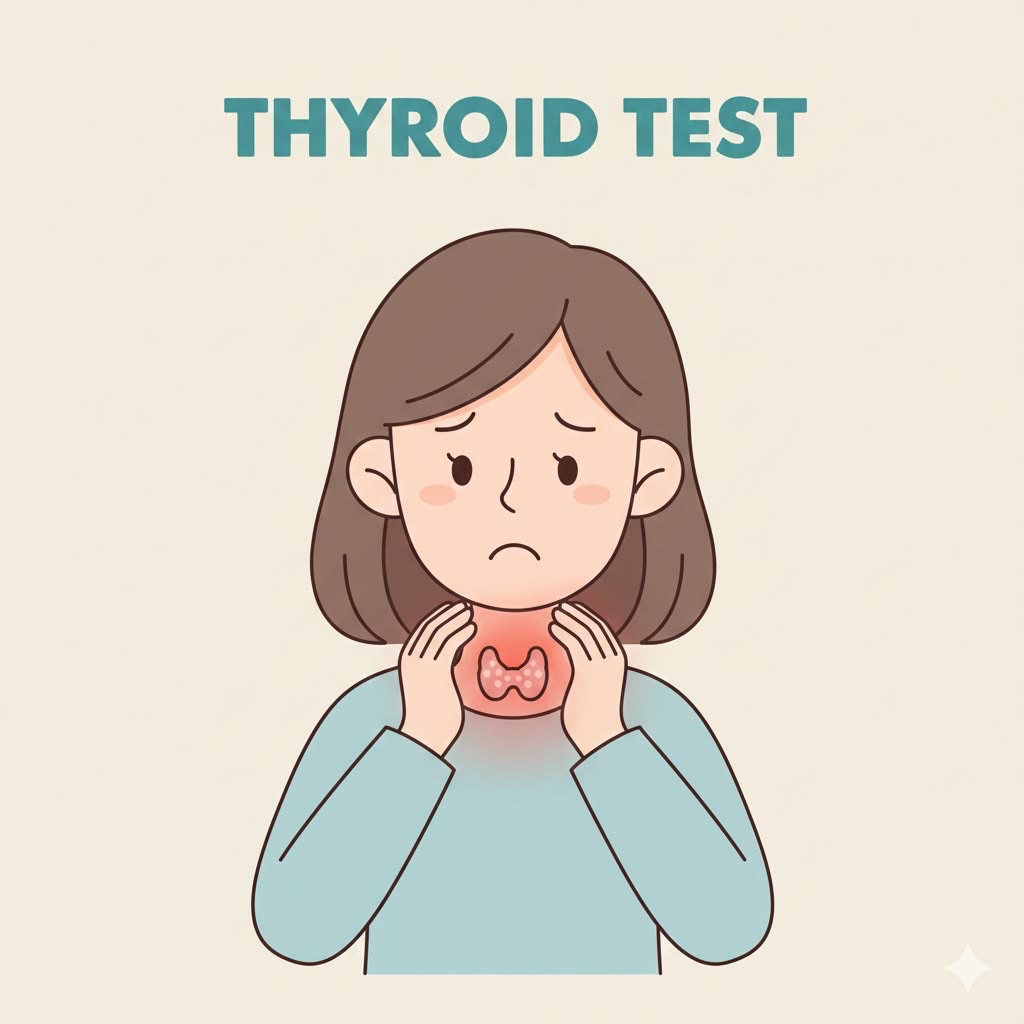
The thyroid is a small butterfly-shaped gland located in the front of the neck, but it has a huge responsibility. It helps regulate metabolism, energy levels, mood, body temperature, menstrual health, and overall well-being.
The Hidden Impact of Chronic Stress
After marriage, many women experience major life adjustments. Along with new responsibilities, there can be emotional pressure that often goes unnoticed.
Common sources of stress include:
Adjusting to a new family environment
Household responsibilities
Financial concerns
Relationship conflicts
Family expectations
Unresolved arguments
Lack of emotional support
Feeling overwhelmed
Feeling unable to express emotions freely
Many women keep their emotions inside to maintain peace, but long-term emotional stress can affect the entire body.
What Does Science Say?
When the body experiences chronic stress, it activates the Hypothalamic-Pituitary-Adrenal (HPA) axis, leading to increased production of cortisol, the body's primary stress hormone.
Over time, high cortisol levels may:
Affect the communication between the brain and the thyroid gland
Reduce the conversion of T4 into the active thyroid hormone T3
Increase inflammation in the body
Influence immune system function
Worsen fatigue, poor concentration, and low energy
Stress alone is not considered a direct cause of thyroid disease. However, in people who are genetically prone to thyroid disorders, chronic stress may contribute to the development or worsening of symptoms.
When Feelings Remain Unspoken
Many women experience moments where they feel:
"I wanted to say something... but I stayed silent."
Emotional suppression does not directly damage the thyroid gland. However, constantly holding back emotions can increase stress, which affects the body's hormonal balance and nervous system.
Over time, this may contribute to:
Persistent fatigue
Poor sleep
Anxiety
Mood changes
Weight fluctuations
Menstrual irregularities
Reduced energy levels
The body often reflects emotional burdens that have been carried silently for a long time.
Hormonal Changes Also Matter
Marriage is often followed by pregnancy, childbirth, or changes in daily routine.
These life events bring major hormonal shifts. Pregnancy and the postpartum period can sometimes trigger thyroid problems, especially in women who already have a genetic tendency toward autoimmune thyroid disorders.
Other Factors That Can Contribute
Thyroid disorders are usually caused by a combination of factors, including:
Genetics
Autoimmune diseases
Pregnancy-related hormonal changes
Iodine imbalance
Vitamin D deficiency
Iron deficiency
Vitamin B12 deficiency
Poor sleep
Lack of physical activity
Long-term stress
Common Symptoms to Watch For
Constant tiredness
Unexplained weight gain
Hair fall
Dry skin
Feeling unusually cold
Constipation
Mood changes
Difficulty concentrating
Irregular menstrual cycles
Swelling in the neck
Supporting Thyroid Health
While stress management cannot cure thyroid disease, it plays an important role in overall hormonal health.
Helpful habits include:
Prioritizing quality sleep
Eating a balanced and nutritious diet
Staying physically active
Managing stress in healthy ways
Expressing emotions openly
Spending time with supportive people
Getting regular health check-ups when needed
Final Thoughts
Marriage is a beautiful journey, but it can also bring emotional and physical challenges. For some women, prolonged stress, hormonal changes, and underlying genetic factors may come together, making thyroid problems more noticeable during this phase of life.
The thyroid is influenced by much more than just one event. It reflects the combined effects of hormones, immunity, nutrition, lifestyle, and emotional well-being.
Taking care of both mental and physical health is one of the best ways to support overall hormonal balance.
Want personalised nutrition advice?
Book a consultation and get a plan built just for you.
Start Your Transformation